The most effective low-maintenance lawns I have seen share something alike: they were prepared for the means individuals in fact live, except weekend break gardeners with endless time. When you make a landscape around actual timetables, it alters every selection you make, from the shape of the yard to the sort of compost under the shrubs.
Whether you take care of a jam-packed job calendar, handle youngsters and carpools, or simply like not to invest your leisure time behind a lawn mower, you can still have an eye-catching, polished outdoor area. The trick is to spend a bit of thought and, where possible, some in advance job so the landscape does most of the heavy training for you.
This relates to both property landscaping around a single home and to small business homes where curb appeal matters however upkeep spending plans are limited. The same concepts appear across garden landscaping, commercial landscape design, and larger-scale landscape building tasks: simplify, systematize, and regard the site.
Start With Just how You Utilize Your Yard
Before choosing plants or hardscape materials, it helps to be honest concerning what in fact takes place in your backyard. I often start a landscape design conversation with straightforward, functional questions.
Do you hold good friends outside, or is the backyard primarily a backdrop you translucent the home windows? Do children or pet dogs require open area to run? Do you travel typically? Just how much straight sunlight and wind hit your property?
I once worked with a couple who insisted they desired a huge lawn. On a site see, I asked exactly how commonly they rested outside currently. They admitted they seldom did. What they really desired was a clean, green view from the cooking area and a tidy entryway. We minimized the turf to a generous however compact rectangle and dedicated the rest to sturdy hedges and crushed rock. Their weekly mowing went from more than an hour to 15 minutes.
Think about:
- The locations you go through daily, like front entrances and side courses to trash and recycling. The sights you appreciate the majority of, such as what you see from the living room or home office. Any specific features: grilling, playing, a canine run, or a little veggie patch.
Once those concerns are clear, everything else can end up being background. History locations are where low-maintenance techniques repay the fastest.
Shrink the Yard Without Shedding the Green
Grass is often the most significant time sink in residential landscape design. Even a moderate yard demands cutting, edging, fertilizing, and irrigation. For most hectic home owners, the objective must not be no lawn, yet the right amount of lawn in the appropriate shape.
The most effective yards share a number of traits. They are basic in rundown and simple to mow, with long straight runs or large, mild curves. They are not studded with small islands of growing that need delicate trimming. They lie where individuals actually walk, sit, or play, not tucked in unpleasant edges where a lawn mower hardly fits.
If you such as the appearance of a green surface yet desire far less work, take into consideration these strategies.
First, constrain the grass to a main, useful area such as a rectangle-shaped play space or a defined entertaining area. Treat it like an outside carpet, bordered by lower-care growings or groundcovers.
Second, eliminate narrow turf strips along driveways, in between sidewalk and aesthetic, or in between stepping stones. These are high-effort, low-reward areas that add little aesthetic worth yet call for the exact same level of care as the primary lawn.
Third, if your climate allows, check out options like no-mow fescue blends, clover-rich blends, or groundcovers such as thyme or kurapia. They are not maintenance-free, yet they call for much much less mowing and, oftentimes, less water. On business landscape design jobs, I typically specify low-input lawn on inclines or outer zones to lower upkeep costs.
In warm or deserts, scaling back the grass can substantially cut water use. One little front lawn I revamped eliminated approximately 60 percent of the turf, replacing it with gravel compost and drought-tolerant shrubs. The proprietors saw their irrigation runtime stop by about fifty percent, and their month-to-month task list diminished with it.
Hardscape That Works For You, Not Versus You
Hardscape is any kind of non-plant component of the yard: patios, paths, wall surfaces, bordering, decks. Poorly selected hardscape can produce upkeep migraines, yet clever choices can remove entire categories of work.
From a landscape building viewpoint, products and describing issue as high as format. A simple concrete or paver patio, installed correctly, needs much much less maintenance than a jumble of stepping rocks bedded in soil. A well-compacted gravel path with strong bordering withstands weed intrusion better than a bare dust shortcut.
When I design for low maintenance, I look closely at 3 things.
First, changes. The edges where materials satisfy is where issues typically start. An unedged grass that meets growing beds will regularly creep into the mulch. Pavers without correct control will spread out. Bordering materials - such as steel, concrete visual, or thick masonry - create a clear line that conserves time every single week.
Second, joints. Extremely wide joints in between pavers, filled with soil, welcome weeds. Tight joints loaded with polymeric sand resist growing and ant activity. Large-format pieces have fewer joints in the first place, which looks clean and lowers areas where debris accumulates.
Third, inclines and https://www.pexels.com/@ophelia-mistry-2162372620/ drain. Surface areas need sufficient be up to shed water, however not a lot that soil or gravel continuously remove. On commercial websites, where hefty use reveals any weak points, I have actually seen inadequately rated paths end up being yearly repair service jobs. For house owners, a slightly greater upfront investment in proper grading and drain almost always pays off.
A low-maintenance lawn does not avoid hardscape; it uses it strategically. A small, paved outdoor patio may replace a deck that needs staining, or a gravel courtyard may replace a high, hard-to-mow side yard.
The Right Plant Palette: Tough, Uninteresting, and Beautiful
Plant option is where most low-maintenance jobs succeed or stop working. Lots of property owners are drawn to fancy images of unique flowers. In real problems, specifically without continuous interest, those exact same plants pout, flop, or vanish.
For a durable, low-effort yard landscaping plan, concentrate on plants that tolerate your dirt and climate without consistent indulging. Neighborhood understanding issues here. A bush that acts completely in the Pacific Northwest could die in a single wintertime in the Midwest. Nurseries, extension solutions, and specialist landscape developers in your area usually recognize which plants can handle some neglect.
An audio low-maintenance plant combination frequently includes:
Structural evergreens that hold form without heavy trimming, such as boxwood options, arborvitae, or dwarf conifers ideal to your region. Long-lived perennials like daylilies, salvia, sedum, or decorative grasses that do not need betting or frequent division. Shrubs that flower on new wood, so you do not need to keep in mind specific trimming timetables. Instances include lots of hydrangeas and some spirea varieties. Groundcovers that weaved densely sufficient to outcompete weeds as soon as established.The phrase I usually use with customers is "steady history, seasonal highlights." The steady history comes from a foundation of hedges and evergreens that look excellent 12 months a year. Seasonal highlights may be a couple of showier perennials or bulbs that do not call for continuous grooming.
Aim for a limited number of different plant species, repeated throughout the yard. A layout with 40 or 50 one-of-a-kind plants is hard to preserve also for an enthusiast. An even more sensible property landscape design plan could rely on 8 to 12 major plants, sprinkled with a few unique accents. From a maintenance standpoint, rep is effectiveness: you discover exactly how one plant behaves, then use that expertise almost everywhere it appears.
Smart Layouts: Group by Requirement, Not by Color
Color-themed yards are attractive, however, for low-maintenance landscapes I favor grouping plants by their water and light requirements first. When plants with comparable requirements share a zone, watering is easier and you throw away much less water.
A regular layout approach may look like this. Along the warm, warm side of a driveway, pick drought-tolerant bushes and perennials. Near a downspout or in a reduced place that stays moister, usage plants that value added water. Wherever feasible, avoid blending parched plants with dry-loving types in the exact same bed.
This approach is conventional in commercial landscaping, where irrigation systems are zoned by direct exposure and plant type to keep running expenses predictable. House owners can borrow the same reasoning on a smaller sized scale.
Also consider presence and access. High-maintenance plants, if you absolutely have to have them, must go in places where you can reach them from a course or outdoor patio without extending over various other plantings. Hide the workhorses behind-the-scenes; place the prima donnas where your hands and eyes can reach them easily.
Mulch: Your Finest Employee
If there is a solitary upkeep tool I would not avoid, it is mulch. A correct mulch layer slows down weeds, buffers soil temperature, keeps wetness, and safeguards plant roots.
The technique is to install it properly. Organic composts such as shredded bark, wood chips, or composted plant product job well for the majority of domestic landscapes. Spread them 2 to 3 inches deep throughout bare soil in planting beds, maintaining mulch a couple of inches far from plant stems and tree trunks to stop rot.
Installing a thick layer of compost quickly after planting is specifically essential in new yard landscaping. The initial 1 to 3 years are when weeds can promptly acquire a foothold. Once woody plants and groundcovers develop and cast even more color, upkeep typically declines noticeably.
Stone or crushed rock mulch can likewise function, especially in completely dry climates or modern-style landscapes. It does not break down as quickly as organic mulch, so it requires covering up much less regularly. The compromise is that rock mirrors warmth and can be severe around shallow-rooted plants in warm areas. It also catches ground cover, so you may invest more time blowing or raking debris off crushed rock surfaces in the fall.
On numerous business websites I have taken care of, transforming revealed soil around car park trees to deep mulch cut weed control sees almost in fifty percent. The exact same logic uses around a home: deal with mulch as a quiet, affordable employee that functions every day.
Irrigation That Matches Your Reality
Watering is frequently what damages the low-maintenance guarantee. A landscape that endures just if someone stands outside with a tube for hours during heat waves is not low-maintenance. Automatic watering systems are not compulsory, however some form of predictable watering strategy is.
If your budget permits, an expertly made drip irrigation or efficient lawn sprinkler is worth significant consideration. In both domestic and business settings, I have actually seen properly designed systems minimize water usage by 20 to 40 percent contrasted to hands-on watering, largely since they use water slowly and consistently.
Important factors for a low-maintenance arrangement:
First, different your grass from growing beds on various areas. Yard normally requires water on a different timetable than shrubs or perennials.
Second, support drip watering for beds where useful. Drip provides water right to the origin zone, decreases evaporation, and maintains vegetation completely dry, which reduces illness risk.
Third, utilize a controller with climate adjustment features or a minimum of simple seasonal programs. Many homeowners established a schedule once and never transform it, which wastes water and can worry plants in wet or completely dry periods.
If a full watering system is not possible, design with hand watering in mind. Place thirsty plants closer to your home where you can reach them conveniently with a tube. Use big containers as opposed to many tiny pots, considering that larger dirt quantities dry out even more slowly.
Edging, Barriers, and the Fight Versus Weeds
Weed control is the task that most home owners undervalue. A few dandelions in a new bed look innocent in year one. By year 3, they have gone to seed and spread via the grass, gravel, and also cracks in the pavement.
The most reliable low-maintenance landscapes rely on physical barriers and thoughtful describing, not constant herbicide use.
Formal bordering separates yard from beds. Steel, aluminum, concrete cut strips, or heavy-duty plastic bordering all offer to develop a distinctive border that mowers can follow and turf roots can not cross quickly. In one small front yard job, mounting a 4 inch concrete aesthetic in between lawn and bush beds cut the proprietor's hand-trimming time in front by at the very least 75 percent.
Landscape textile under mulch is an extra nuanced subject. In my experience, woven professional-grade fabric can be handy under crushed rock in courses or vehicle parking strips, where you do not intend to plant much and traffic is larger. Under natural mulch and proactively expanding plants, fabric has a tendency to interfere with soil health and wellness and is frequently a lot more difficulty than it deserves as soon as origins and particles weaved into it. In beds with many perennials, a thick layer of compost and thick plant spacing are usually better lasting strategies.
The less bare soil you leave subjected, the less weeds you will see. Design with this in mind from the start. Intentionally fill up room with groundcovers, mulch, or hardscape so opportunistic weeds have nowhere very easy to land.
Simple Seasonal Tasks: A Sensible Maintenance Calendar
Even the most effective low-maintenance backyard needs some attention. The objective is to focus work into predictable, manageable bursts, rather than consistent tinkering.
Here is a small, sensible schedule that benefits several house owners in temperate climates:
- Early spring: Evaluate irrigation, reduced decorative turfs, gently trim shrubs for form, rejuvenate or top up mulch where thin. Late springtime: Check bordering, spot-weed beds prior to seeds develop, plant any type of brand-new perennials or hedges you want to add. Mid-summer: Screen watering, draw any kind of obvious weeds, deadhead just the plants where you truly appreciate repeat bloom. Early autumn: Rake or blow fallen leaves off grass and patios, reduced spent perennials that look messy, examine any kind of plants that had a hard time and decide whether to replace them. Late fall or wintertime (climate-dependent): Architectural pruning on trees and hedges if required, one last hand down clearing drains and seamless gutters near growing areas.
The exact months vary by area, yet the pattern holds: a few concentrated weekend breaks a year, light touch-ups in between. When I make landscapes for clients who travel often, I aim for an upkeep rhythm that a local service can deal with in 4 to 6 gos to a year without needing in-depth instructions.
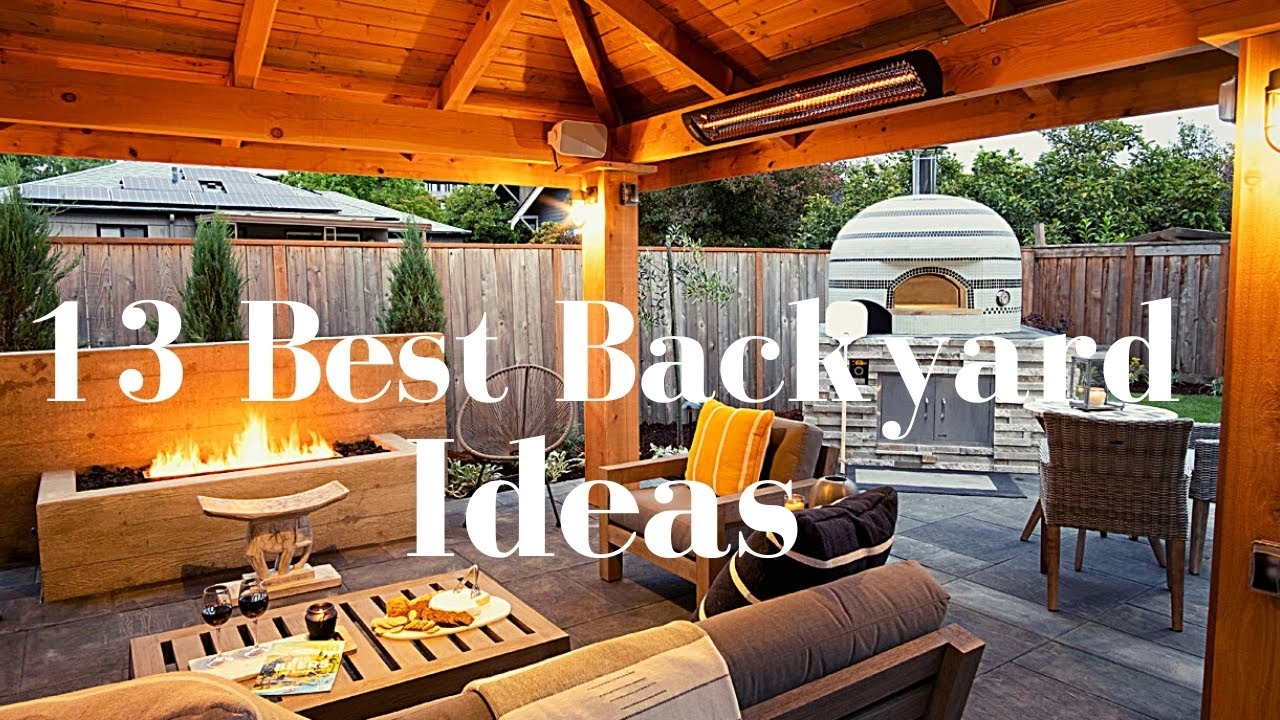
Blending Visual appeals and Practicality
Low-maintenance does not suggest boring. The trick is to be tactical regarding where you place your design energy.
Use solid shapes in hardscape and planting beds. A tidy line of clipped hedges close to an easy gravel course can be a lot more striking than an active mix of flowers. Select one or two accent trees with great form and bark, so the garden still has interest in wintertime without depending on blossoms.
Think in layers, but keep them organized. A normal structure could position taller bushes at the back, mid-sized perennials in front, and a groundcover at the side. When developed, you do not require to bother precise elevations, however the standard layering assists the eye reviewed the space clearly.
Lighting is another silent ally. A few well-placed low-voltage lights along a course or punctuating at a feature tree change exactly how a backyard feels after dark, without adding day-to-day job. Modern LED components are sturdy and power efficient, and a simple timer or photocell keeps them on schedule.
In commercial landscape design, we typically count on these exact same concepts: strong geometry, restrained plant combinations, resilient materials, and calculated lighting. Property owners can take on the same attitude however on an extra personal scale.
When To Bring In Expert Help
Many busy property owners presume that working with a landscape design expert is a luxury. In truth, a few hours with a seasoned designer can avoid pricey errors and years of added work.
Professional understanding is especially useful if:
You have a complicated site: steep slopes, heavy shade, poor water drainage, or extremely subjected corners.
You are planning significant landscape building and construction, such as brand-new patios, walls, or grading adjustments. Dealing with hardscape errors later is far more pricey than doing them properly from the start.
You manage a rental or little industrial residential property and can not be on-site consistently. A thoughtful commercial or domestic landscape design strategy will prepare for lessee habits, website traffic patterns, and lasting wear and tear.
Many designers supply speaking with bundles where they go to as soon as, establish a sensible, phased plan, and allow you execute it in time. This hybrid strategy works well for time-strapped house owners who can handle some tasks but desire a clear, professional blueprint.
Building a Yard That Fits Your Life
The most satisfying low-maintenance landscapes do not look like concessions. They appear like specifically what they are meant to be: outdoor rooms tailored to realities, not to shiny magazine photos.
By diminishing and streamlining the yard, favoring durable plants and wise compost, investing in hardworking hardscape, and intending irrigation and edging thoroughly, you can cut routine duties to a fraction of what lots of lawns need. The result is a residential property that remains tidy with much less initiative, feels natural year-round, and supports the way you actually live.
The ahead of time thinking is the hardest part. Once the items are in place, your yard becomes a background ally as opposed to an additional item on your to-do list, and that change is what hectic property owners value most.