Most yards start as leftovers. Extra grass from the home builder, leftover pavers, remaining furnishings that did not fit indoors. Turning that area right into a true yard sanctuary for outside entertaining calls for objective, not simply one more trip to the garden center.
Done well, residential landscape design can bring the same level of thought as a well developed inside. The difference is that outside, you have to choreograph weather condition, views, personal privacy, and the method people actually move when they have a drink in one hand and a plate in the various other. That is where the self-controls of landscape style, yard landscaping, and also tiny scale landscape building and construction come together.
This guide draws on patterns that work in both industrial landscape design and household setups, because the best celebration spaces outside your back door borrow much more from fantastic dining establishments and resorts than from magazine photos.
Start with just how you truly live, not with plants
Before you consider plants, think of individuals. The most effective exterior amusing spaces I see share a few attributes. They appreciate how the household in fact uses the backyard everyday, and they approve the constraints of the site instead of dealing with them.
Picture a warm night at your place with guests over. Walk through it in your mind from three points of view: the host, the visitor, and the neighbor searching in. As the host, you respect circulation, access to the cooking area, and clean-up. As a guest, you respect where to put your drink, where to rest, and whether you feel on display. As the next-door neighbor, you discover sound, lights, and any kind of feeling that your own privacy has disappeared.
Residential landscape design that sustains exterior amusing has to offer all three.
A helpful workout is to view just how your household makes use of the lawn for a couple of weekend breaks without altering anything. Where do kids drop their toys? Where do grownups naturally stand to speak? Which part of the lawn never ever obtains utilized yet takes the most time to trim? Those monitorings will certainly help you form zones and circulation courses that really feel effortless later.
If you stay in a location with cool winter seasons or harsh summer seasons, likewise take into consideration the schedule. You may just have 30 to 50 "prime" nights a year. Designing around those windows is a lot more reasonable than preparing for an ideal climate you do not have.
Zones, not random corners
A backyard built for amusing features much less like a single room and even more like a small resort. One of the most comfortable ones arrange space into a couple of clear zones that can work together for a large celebration or stand alone on a Tuesday evening.
Common areas that function well in household landscaping consist of:
- A primary eating location with a table and proper chairs A lounge or fire feature location for post-dinner conversation A food prep or grill station An open play or adaptable yard space A quiet garden edge for 1 or 2 people
That is the initial of our two enabled lists.
You do not require all five, and on tiny city whole lots you just will not have room. The secret is to pick two or three and make them readable. A table half on grass and half on pavers, pressed up versus a grill, with a slim strip of grass by the back fencing feels jumbled. People wait because it is unclear where they are meant to be.
In professional landscape style for dining establishments and store resorts, flow is never ever an afterthought. You ought to be able to lug a plate from the kitchen to the table without unusual detours, irregular steps, or limited squeezes behind chairs. The same reasoning applies at home. When I plan household landscaping principles, I frequently sketch imaginary lines in between doorways, grill, table, and lounge location. Any type of line that cuts through plants, furnishings, or poorly lit locations needs to be redirected with paths or changed layout.
Low yard landscape design elements like raised planters, bushes, or trellises can delicately suggest those zones without walls. A waist-high planter between a dining outdoor patio and a lawn signals "space edge" while still letting discussion and sightlines flow.
Surfaces: your biggest long term decision
People focus on plants due to the fact that they are fun, however the ground you walk on is where a lot of your budget and your long-term convenience live. This is the part of property landscaping that crosses into landscape building and construction, and it is where bad faster ways come to be permanent annoyances.
Most entertaining focused backyards blend three surface area types: hard, soft, and transitional.
Hard surfaces are patio areas, paths, decks, and stoops. Soft surfaces are yard, growing beds, and mulched areas. Transitional surfaces can be crushed rock, disintegrated granite, or tipping rocks set in groundcovers. The best blend depends upon your environment and the degree of upkeep you are willing to accept.
Poured concrete is economical and resilient, but by itself it can really feel severe and industrial. Stamped patterns rarely age well. In greater end industrial landscape design, developers frequently soften concrete with spaced joints, revealed accumulation, or bands of contrasting product. You can do a similar point in a yard: an easy broom-finish concrete outdoor patio mounted with rock or clay brick at the edges looks deliberate and is simpler to fix in areas later.
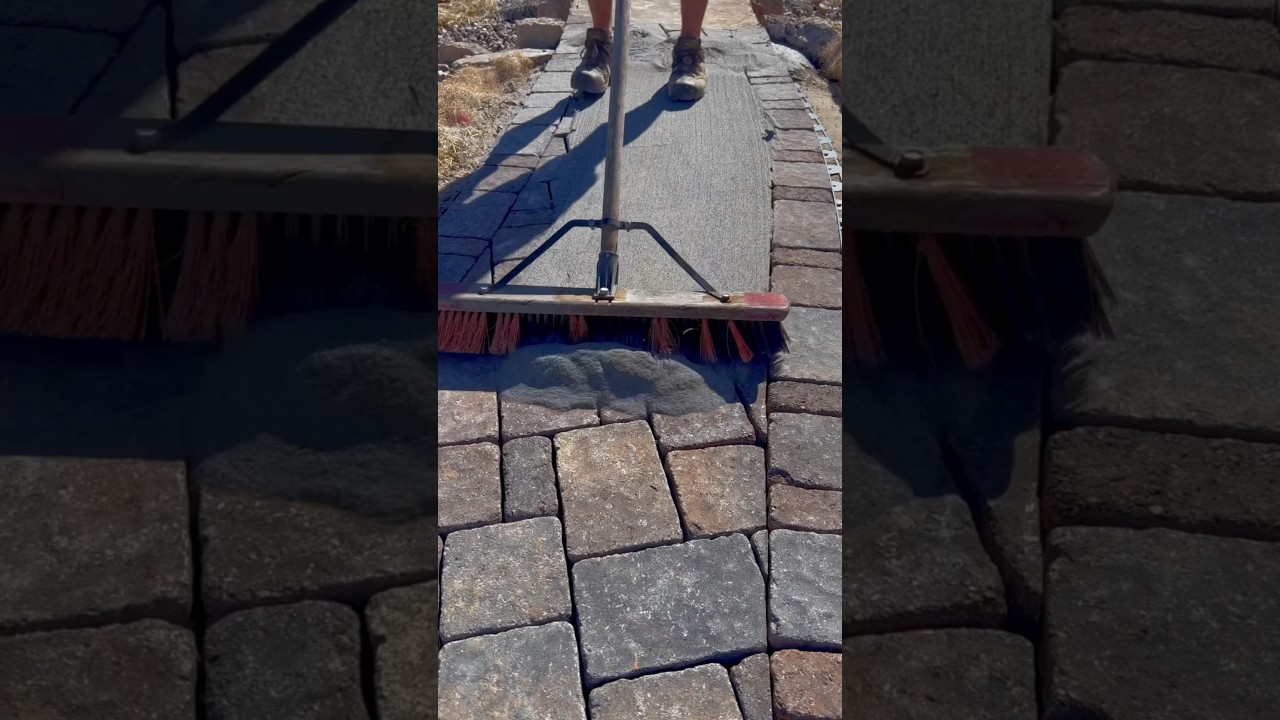
Pavers supply modular flexibility and easier repair service, but the base prep work matters more than the pavers themselves. A severely compacted base will telegraph every wheelbarrow rut and freeze-thaw cycle. If you work with a landscape construction team, ask blunt questions regarding base deepness, compaction devices, and drainage. A correct base is rarely much less than 10 to 15 centimeters deep for household patios, and much more in wet or clay soils.
Decking works best where quality modifications or existing frameworks make a patio area challenging. Compound decking streamlines maintenance, yet it can get hot completely sunlight. Timber really feels warmer and can be more budget-friendly, but only if you approve normal discoloration and examination. Lots of property owners take too lightly the visual height of a deck; barriers, actions, and lattice all increase the sense of bulk. On smaller lots, I lean toward patios at grade whenever feasible, using a single broad step to discuss modest level changes.
Soft surfaces carry spirit and convenience. It is hard to beat a healthy and balanced grass for children and pets, or the sensory pleasure of rich yard landscaping around a seating area. Yet yard is also a parched and high upkeep selection in several areas. A smaller, premium quality grass framed by deep planting beds generally surpasses a huge, worried spot of turf around the entire yard.
Gravel or decomposed granite masters versatile entertaining spaces. You see this in lots of winery yards and dining establishment patios. It drains well, feels casual, and lets you reconfigure furnishings quickly. It does track a bit, and it can be challenging for people in heels or wheelchairs unless you choose a compressed, supported product. For fire pits, I usually prefer crushed rock over pavers because it breathes better and can be revitalized cheaply after years of use.
Light that flatters, not interrogates
Outdoor amusing usually pivots on night hours. Yet lots of residential landscape design plans deal with lighting as an afterthought, adding one glaring flood lamp over the back entrance and perhaps a path fixture or two.
Good exterior lighting in a yard sanctuary ought to do three points: let people relocate securely, produce environment, and regard next-door neighbors and the night sky.
Start by identifying the crucial security areas: actions, changes in level, key courses, and the immediate area around the grill or exterior cooking area. These ought to be equally, but not harshly, brightened. Reduced, secured path lights, recessed action lights, or downlights from neighboring trees or frameworks can all function. The technique is to hide the resource whenever possible and light surfaces rather than eyes.
For atmosphere, take from commercial landscaping around restaurants. They seldom depend on a single brilliant fixture. Rather, they layer string lights overhanging, tiny accent lights on focal trees or water attributes, and the warm flicker of fire. Warm shade temperature matters. Aim for 2700K to 3000K so skin tones look great and the space feels inviting.
Be mindful with uplighting in thick communities. A few well aimed spots at the base of a specimen tree can be gorgeous, however wide uplighting against home walls may throw light right into bed room home windows or onto next-door neighbors' property. Secured components and dimmers assist you readjust depending upon the event.
Integrate lights early. Retrofits after the hardscape enters often tend to look implanted on, with visible wires, uneven components, and restricted positioning options. In a full landscape building project, channel runs and reduced voltage cable trenches are generally laid at the same time as irrigation and patio area bases. Also if you can not afford all the components yet, having the framework in position will certainly conserve you cash and headaches later.
Planting that supports individuals, not just pictures
An attractive planting plan for garden landscaping looks great on the first day, at year five, and preferably beyond. That implies valuing mature dimension, light conditions, and exactly how plants communicate with people.
For enjoyable areas, prevent hostile thorns, untidy fruit, and plant pollen heavy choices near seating locations and courses. The last thing you desire is dripping berries on pavers or guests squeezing previous spiky stems to reach their chairs. If you enjoy roses, position them somewhat far from the primary circulation courses and make use of varieties with cleaner habits.
Think in layers. A basic framework that functions throughout many climates starts with taller screening plants along fencings or home lines, mid elevation hedges to specify areas, and reduced perennials and groundcovers near the edges of patio areas and courses. This split method softens tough edges, improves privacy, and lowers the stark "patio area in a field" look that new builds usually have.
Pay attention to sightlines from inside your home. On many domestic landscape design tasks, the sight from the kitchen area sink or living room sofa is the most vital view. Setting sculptural plants, small trees, or even a well chosen item of garden art where those indoor sightlines land. In this way, even when you are not outdoors, your backyard sanctuary remains aesthetically linked to everyday life.
Seasonality matters. An area that only looks good for 3 weeks at peak bloom will https://www.longisland.com/profile/golivekmua/ certainly really feel weary by mid summer. Incorporate evergreen framework with a turning actors of perennials and bulbs. For instance, evergreen shrubs or grasses can secure a bed, while spring light bulbs, summer season blooming perennials, and autumn vegetation supply dramatization in waves. In cool environments, consider plants with interesting bark or wintertime framework that catch low light and include texture.
Where spending plan permits, overspecify a few key plants. A single fully grown Japanese maple, multi stem serviceberry, or tiny decorative olive in the best location usually does a lot more for the feeling of a backyard oasis than a loads 1-gallon bushes scattered around. Obtain from business landscape design practice right here: anchor trees and a few function plants, after that complete the remainder with a basic, repeated palette.
Comfort: color, wind, and microclimates
People linger precede that really feel physically comfortable. Warm, glare, wind, and moisture quietly reduce gatherings and send out every person back inside your home. Good landscape design expects those forces.
First, examine the sun. Keep in mind where afternoon sunlight hits hardest in peak summer, and where the yard beings in shade at various times of day. That educates where you position dining and lounge areas. In hotter climates, afternoon shade for the main seats location is virtually non negotiable. You can achieve it with trees, pergolas, color sails, or tactically positioned retractable awnings.
Trees give one of the most positive quality of color, but they take time. In a brand-new backyard, I commonly suggest a mix: plant one or more well selected color trees for the long term, then utilize a pergola, umbrella collection, or cruise for immediate relief. If you opt for a pergola, think about orientation to make sure that climbing up plants or slats intercept the hottest sunlight angles.
Wind is frequently ignored till napkins begin flying. Tall strong fences do not always solve the issue; they can develop turbulence and weird eddies. A mix of strong and permeable testing functions much better. Hedges, high ornamental yards, or open slat fencing can break wind while still allowing some circulation. Ask on your own where the prevailing winds come from and focus your efforts there.
On sloped sites or near bodies of water, microclimates can be significant. Low places gather chilly air, and west dealing with slopes bake. Utilize these differences. Area a warm herb yard near the warmest spot by the kitchen area, and think about a more sheltered, encased space for cooler weather events. A fire feature integrated with wind conscious layout expands your usable period significantly.
The social choreography of seating
Most backyard entertaining problems map back to awkward seating. Too few seats, a lot of dissimilar chairs, or arrangements that require people to shout.
Inside a restaurant, seating collections and clear aisles are meticulously intended. Outdoors, use the exact same logic. Offer a minimum of one main seating team where eight to ten people can see and speak to each other without yelling. If your backyard is little, that might mean a lengthy bench along one edge of a patio area dealing with 4 chairs, with a table in between.
Pay focus to furniture range. Massive sectional couches that looked welcoming in a display room can feast on a modest patio. In small property landscape design, reduced account lounge chairs, easy benches, and lighter mounted eating sets maintain the space sensation open. In difficult situations, built in seating along planters or low wall surfaces can function as extra capacity without clutter.
Do not neglect small surfaces. Individuals require areas to put beverages, phones, and plates. Side tables, reduced feceses, or vast arms on furniture pieces make a bigger difference comfortably than one more decorative lantern.
Flexibility pays off. Stackable or folding chairs kept in a shed can come out for larger events. Footrests that function as seats or tables adapt conveniently. The objective is to keep life simple while allowing development for holidays or celebrations.
Fire, water, and the "anchor" feature
Almost every unforgettable outside enjoyable area has some type of anchor attribute. It could be a fire table, a moderate fish pond, an exterior cooking area, and even a sculptural tree with a circular bench. This anchor helps visitors orient themselves and provides the space a feeling of destination.
Fire attributes are the simplest and most prominent. Gas fire tables have come to be common as a result of their benefit and code friendliness in many towns. Timber shedding fire pits really feel a lot more primitive yet set off more guidelines and smoke factors to consider. Think of next-door neighbors, dominating wind, and neighborhood shed guidelines before committing.
From a landscape building and construction perspective, fire attributes need appropriate clearances from frameworks, fireproof surrounding materials, and sometimes gas or electric lines. This is where teaming up with a certified specialist pays off. A minor misplacement that feels fine theoretically can either cook one side of a seating area or sit too away to be useful.
Water attributes can be as basic as a self included fountain dish with a recirculating pump or as complex as a full pond. The trick for amusing rooms is audio. A mild burble can mask road sound and include calm. A roaring waterfall next to your primary dining table will have people leaning in and losing their voices. Choose the scale carefully.
Whatever support you pick, collaborate it with the remainder of the domestic landscape design. The paving, lights, and planting around it must feel integrated. In industrial landscape design, designers frequently develop sightlines from entries directly toward anchor attributes. You can resemble that by lining up a door view, a main course, and even indoor art work to ensure that the attribute seems like an extension, not an arbitrary object.
Simple, presented upgrades: a reasonable plan
Few house owners mount their entire yard sanctuary in one perfect job. More frequently, it unfolds in stages as budget, time, and power enable. That is regular. The key is to series job so you do not destroy ended up areas continuously or trap yourself with poor very early decisions.
A sensible hosting technique might look like this:
- Phase one: make clear areas, draft paths, and address drain or grading problems Phase 2: construct the main patio area or deck and standard illumination infrastructure Phase three: include key growing and one anchor feature such as a fire table or pergola Phase four: fine-tune garden landscape design, include accent illumination, and upgrade furniture Phase five: optional outside cooking area, water function, or additional seats area
That is the 2nd and last list.
In phase one, hang out with a scaled plan, even if it is hand drawn. Determine qualities, trouble areas where water pools, and any type of existing trees or frameworks you wish to maintain. Correcting drain and quality up front secures future hardscapes and yards. Regrading after a patio area is in place is pricey and disruptive.
Phase two is where a lot of the landscape building and construction price lands. If you need to choose between a bigger but less costly patio area and a smaller however much better developed one, I usually recommend quality over dimension. You can always add a crushed rock extension later, yet lifting and redoing a stopping working slab or paver area is painful.
Phase three and four are where the space gains character. Right here, a strong planting strategy is more vital than instantaneous volume. Plant for the 3 to 5 year image and accept some gaps early. Compost and annuals can soften those while shrubs and trees establish.
Phase five is optional. Many individuals envision a full exterior kitchen, yet uncover that a well situated grill, prep surface area, and close-by ice chest offer their actual practices better. Outdoor cooking areas add complexity: utilities, weatherproof products, and commonly building authorizations. Make that investment just if you absolutely cook and serve outdoors frequently sufficient to justify it.
Borrowing from industrial landscape design without feeling like a mall
The finest friendliness areas outside your home have actually currently resolved a number of the problems you deal with at domestic scale. When you go through a hotel courtyard or restaurant outdoor patio that feels excellent, take note of percentages, planting density, and shifts between zones.
Notice exactly how business landscape design deals with sides. There is commonly a comfy distance between seats and growing, a clear threshold in between circulation and lounging, and consistent materials that tie everything together. You can borrow that sensibility without producing something that feels corporate.
For example, utilizing the exact same paver or stone for both the major outdoor patio and the step treads unifies the space. Repeating a limited palette of plants in larger teams stays clear of the "one of every little thing" enthusiast's garden that can really feel visually disorderly. Regular illumination fixture style and color temperature level prevent a jumble effect.
At the very same time, your yard oasis should show your family. Business areas seldom include personal items like a kid's chalk art, a canine's preferred patch, or a hammock in the only dubious corner. Leave room for those traits. One of the most effective household landscaping tasks I have been entailed with constantly keep a little bit of informality, a location where playthings can live, or an edge where a brand-new plant fascination can settle without breaking the total scheme.
Maintenance: the truthful part that makes it last
Any amusing focused yard will mature. The question is whether it matures with dignity or ends up being a problem. That depends upon matching design aspiration to the maintenance you will genuinely provide.
Be brutal with on your own. If you currently have a hard time to keep up with mowing, do not intend elaborate official bushes that require month-to-month trimming. Select plant neighborhoods that can be cut down once a year, or reduced shearing hedges that hold shape without consistent attention. If you hate sweeping, skips surface areas that dropped greatly or record every leaf.
I encourage clients to believe in once a week, month-to-month, and seasonal jobs. Weekly might be standard tidying and spot watering. Month-to-month may be inspecting watering, minor pruning, and cleaning furniture. Seasonal jobs include deeper trimming, mulching, and winterizing or opening components and water features. If your plan calls for greater than you can give in the busiest months of your life, streamline it theoretically before you build.
On the advantage, a well thought out backyard oasis reduces some duties. Great water drainage and well edged planting beds make mowing quicker. Drip irrigation in beds conserves hours with a hose pipe. Resilient products and smart outlining, such as a little sloped countertops near grills for very easy cleaning, all contribute.
Think of maintenance not as a problem, however as the method you remain in connection with the room. The most effective yards I see come from individuals that stroll them regularly, seeing small changes and remedying concerns prior to they become huge problems. A backyard created for enjoyable just brings more individuals right into that relationship, and if you have actually developed welcoming, useful, and lovely rooms, they will certainly intend to exist as high as you do.